


Following the September PCE report following the US market open BTC It has moved away from the base, but it is not yet at the desired levels. Although the limited increase in inflation continues, the PCE has remained almost constant for the last 2 years, fluctuation in the 1% range shows that inflationary concerns have in vain overwhelmed the markets in the last 2 years. So what are the 1 and 5 year expectations?
US Inflation Expectations
The Michigan investor sentiment report contains inflated figures as opposed to actual inflation. However, it should also be taken seriously as it reflects consumers’ views on perceived inflation and their future expectations. Although the Fed is pleased that the inflation forecasts here are below expectations and the figures announced the previous month, it does not determine its policy accordingly.
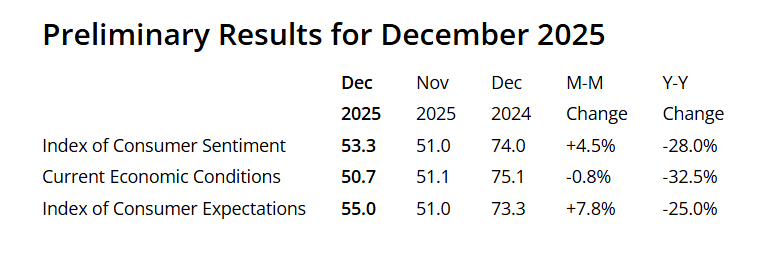
The University of Michigan’s consumer sentiment measure came in at 53.5 versus expectations of 52. Since this is the leading figure, there may be deviations in the finalized report, but it is positive that it is announced above the previous 51.
5-year inflation expectation It was at 3.4% and this figure was announced the previous month. However, the leading data coming today says 3.2%. While the 1-year expectation was 4.5%, it came to 4.1%. Inflation expectations, which are well below expectations and the figures announced the previous month, even if they are leading figures, tell us that the increase in prices is slowing down. At least consumers must have felt this slowdown because they lowered their 1 and 5-year expectations.

General Summary of the Report and Evaluation
Director of Consumer Surveys Joanne Hsu said the increase in consumer confidence (as it is preliminary data) is within the margin of error, but sentiment among younger consumers is noticeably picking up.
“Overall, there has been little change in views on current conditions, while expectations have improved. This improvement was led by a 13% increase in personal finance expectations and was seen across all segments, regardless of age, income, education and political affiliation. However, expected personal finance figures in December are around 12% lower than at the start of the year. Similarly, labor market prospects have improved slightly, but remain at relatively low levels.”
Employment concerns remain constant Fed’s interest rate cuts supportive to continue. Hsu also drew attention to the change in inflation expectations.
“Looking ahead, one-year inflation expectations fell from 4.5% last month to 4.1% this month, reaching the lowest level since January 2025. This marks four consecutive months of decline, but short-term inflation expectations are still above the 3.3% seen in January. Long-term inflation expectations fell from 3.4% last month to 3.2% in December, reaching the level in January 2025. In contrast, 2024 figures It ranged from 2.8% to 3.2%, while the 2019 and 2020 figures were below 2.8%. In both time periods, inflation uncertainty — measured by the interquartile range of responses — remains higher than in January this year.”